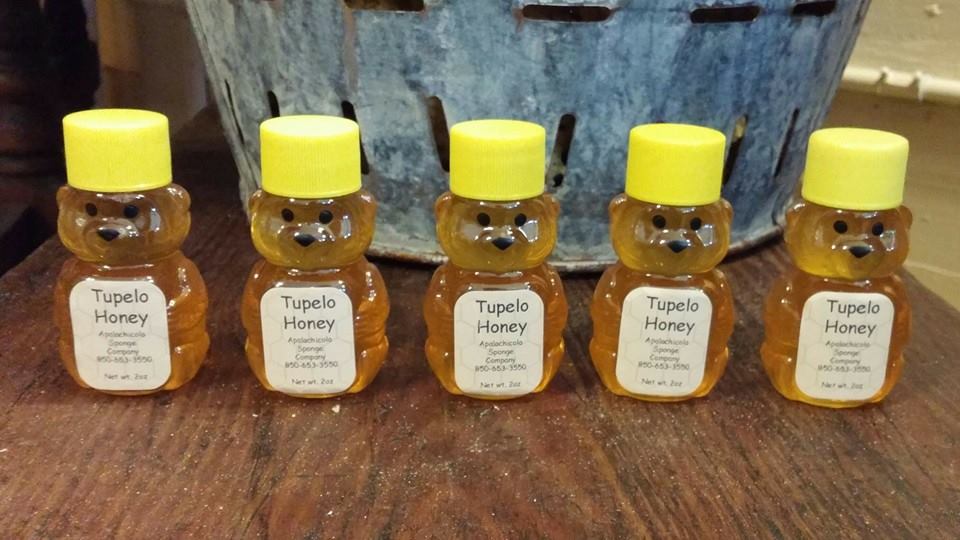
Tupelo Honey Production Down in 2017
Tupelo Honey in Trouble
Tupelo honey production will be down in 2017 over prior years. Beekeepers in the Apalachicola andOchlockoneeRivers basin are attributing the problem to “ wandering bee syndrome.” While the exact cause of the problem is unknown, the effects are quite well known - up to 70% of the bees are in trouble.
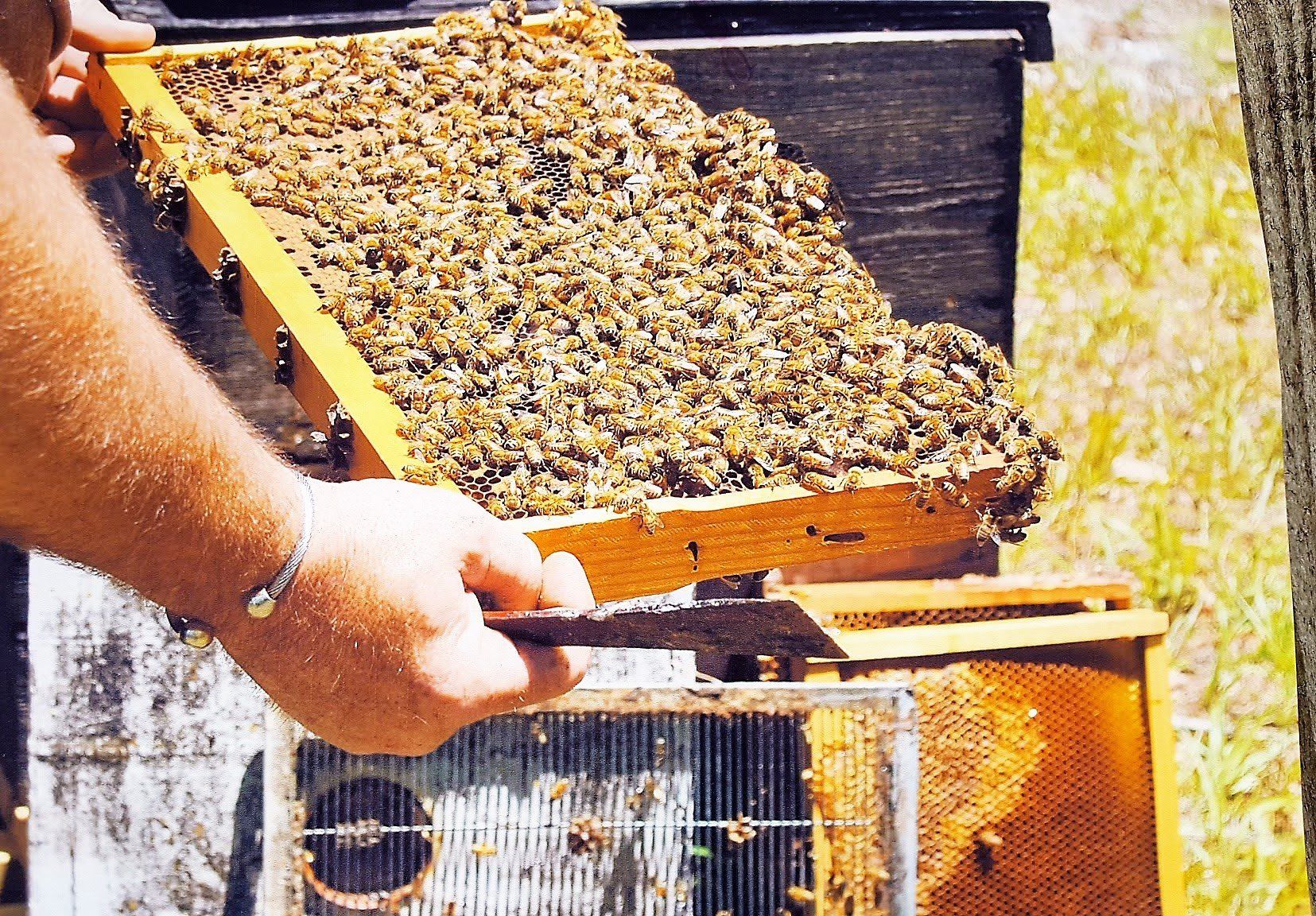
Beekeepers describe effected bees are leaving the beehives and not returning, thus the “wandering bee syndrome” moniker. They believe the problem has something to do with the brain, whereby the bee becomes confused and can’t find its way home.
Some of the causes may be:
- Apocephalus Borealis - leading cause of Colony Collapse Disorder (CCD), this is a parasitic fly
which bites the bee and injects its eggs into them. The eggs hatch ultimately killing the bee.
- Bacterial infection
- Pesticides and fungicides
ZomBee Watch
Apocephalus Borealis has become such a problem in the nation, with the West Coast first reporting infections back in 2008 and East Coast’s first finding in Vermont in 2013, that a grassroots initiative and website - ZomBee Watch- has been developed to report findings and infections.
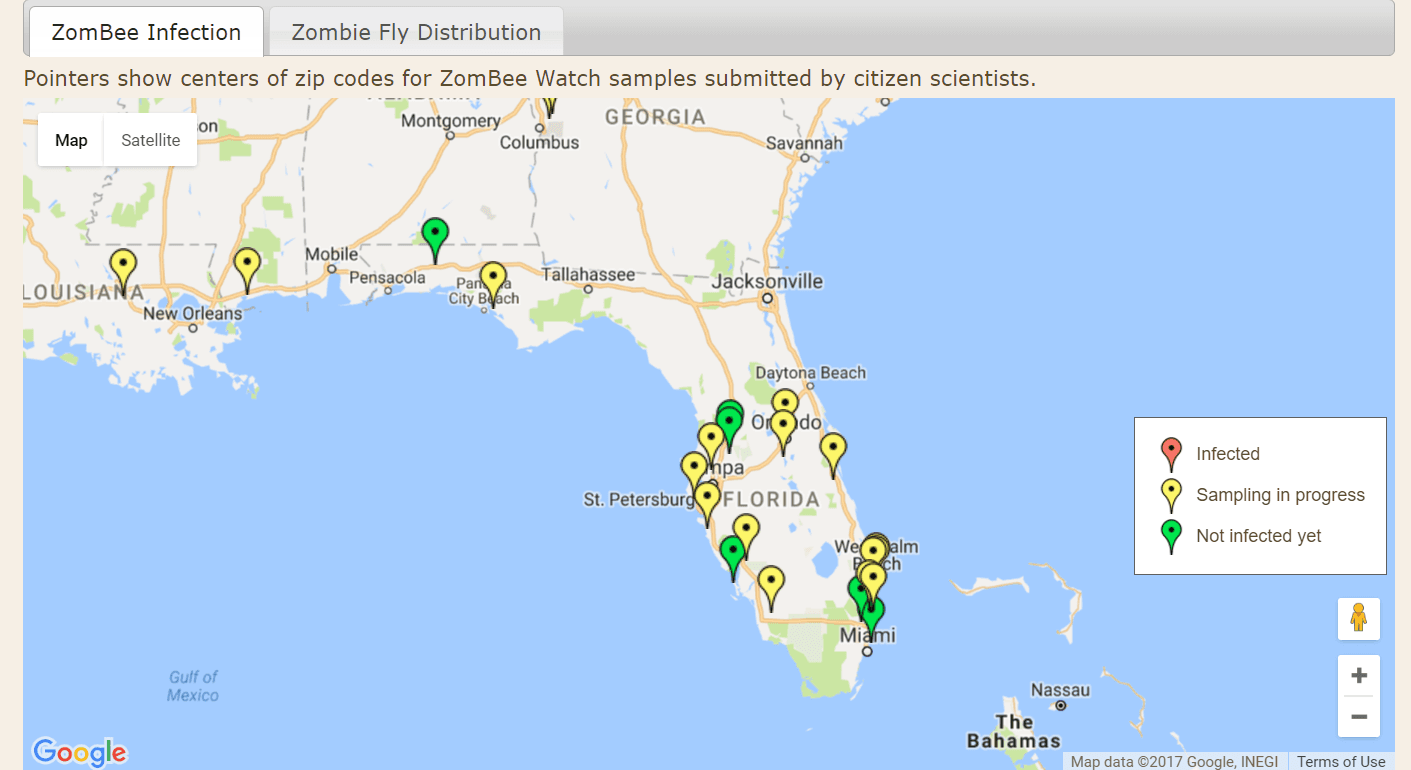
So far there have been no findings or infections in Florida.
However, a bunch of students from Florida State University are investigating the problem. Shortly, they will be traveling 2 hours west to see the problem first hand and to begin studying the issue. Unfortunately, scientists have been trying to determine the cause of CCD for the last few years and no clear cause has been found to date.
Tupelo Trees to Bloom
What makes the problem even more acute is that the source of Tupelo Honey, the Tupelo Tree, is about to bloom for 2017.It's only a 3 week season and January and February are critical months for bee health and survival to produce in March, April, and May. With a 70% loss of bees, not to mention what inclement weather (hail in 2015) could do to the blossoms, tupelo honey production will be considerably down in 2017.
If there are no bees, there will be no tupelo honey.
Shortly, I will be traveling “deep into the swamp” and go to the apiaries to report on the condition of the bees, tupelo trees, and projections.
Fortunately, because of my close relationship with an Apalachicola andOchlockoneeRivers basin beekeeper, I will be able to procure all of his production.
So, Who’s Your Honey Man?
If you are looking to purchase Tupelo Honey, call 850-653-3550. Or just order from the website.